
It's easy and fun to learn how to juice and how to eat passion fruit. A tropical fruit, their scent is out of this world, and their flavor is deliciously tart and subtly sweet. Passion fruit is dreamy on its own, in desserts, cocktails, and in savory recipes, too.
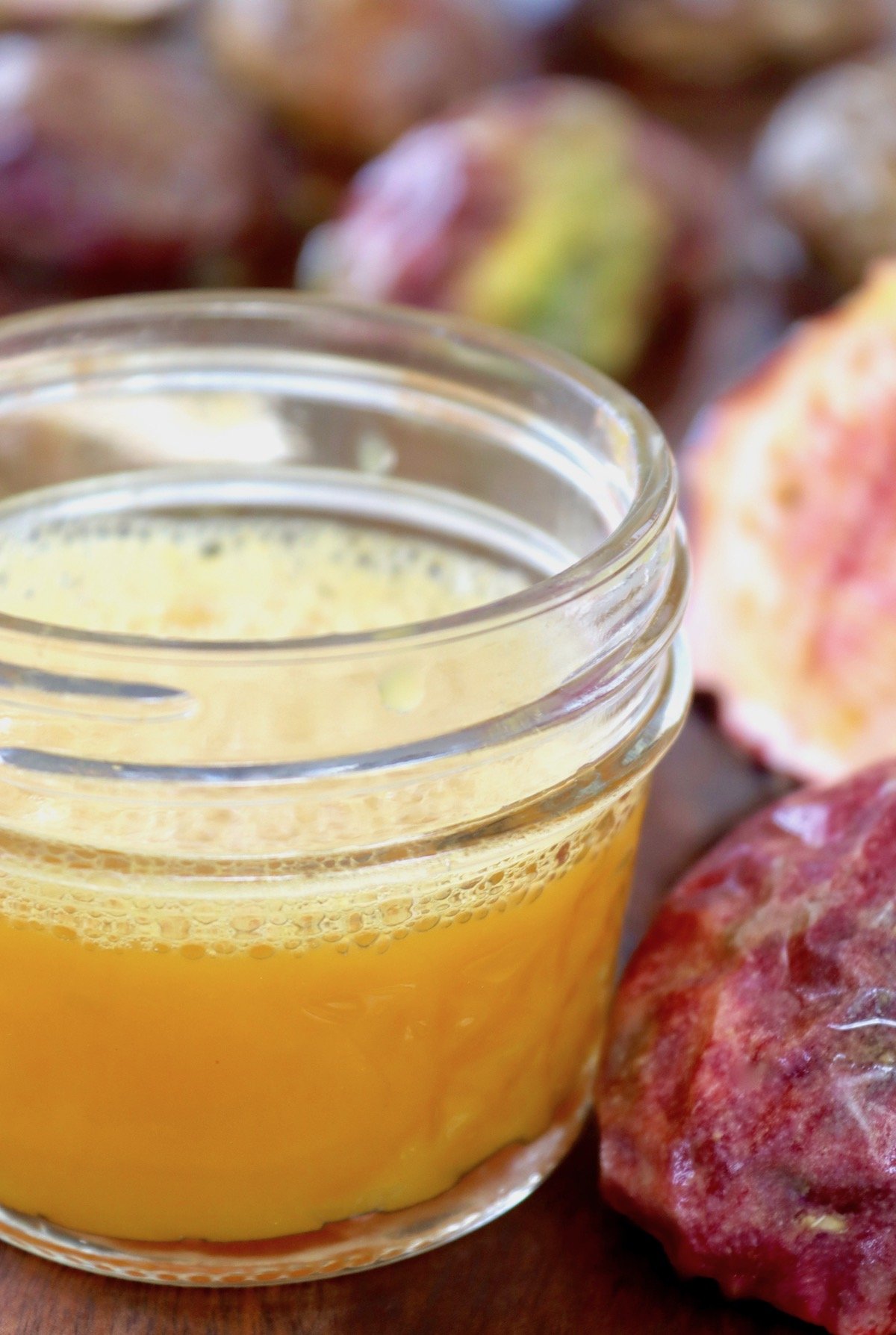
To start, what is passion fruit?
Passion fruit is a tropical fruit with a tart, subtly sweet flavor and a scent that's out of this world, and the pulp and seeds inside are what you eat and juice.
Have you ever wondered how to eat passion fruit? Or what to do with its juice.
In this guide, you'll learn how to tell when passion fruit is ripe, how to eat it, how to juice it, and lots of delicious ways to use the juice.
My Brazilian chef friend, Rosalia, introduced me to this, now favorite, tropical fruit many moons ago. She taught me all about it: how to eat passion fruit, how to tell when they're ripe, how to store them, and everything else in between.
Fresh passion fruit is absolutely worth seeking out, and picking a good one is all about ripeness. Once you've got a ripe one, the pulp is ready to eat straight from the shell or juice.
And once you try one, you'll want to get your hands on this amazingly aromatic, luscious tropical fruit whenever you can.
Jump to:
- To start, what is passion fruit?
- How to Eat Passion Fruit (Can you eat the seeds?)
- How to Tell if Passion Fruit is Ripe
- What do they taste like?
- How to Cut Passion Fruit
- How to Juice Them
- How to Use Passion Fruit
- Passion Fruit Season
- Passion Fruit Health Risks
- So... What to do with Passion Fruit
- Passion Fruit Juice Recipe
How to Eat Passion Fruit (Can you eat the seeds?)
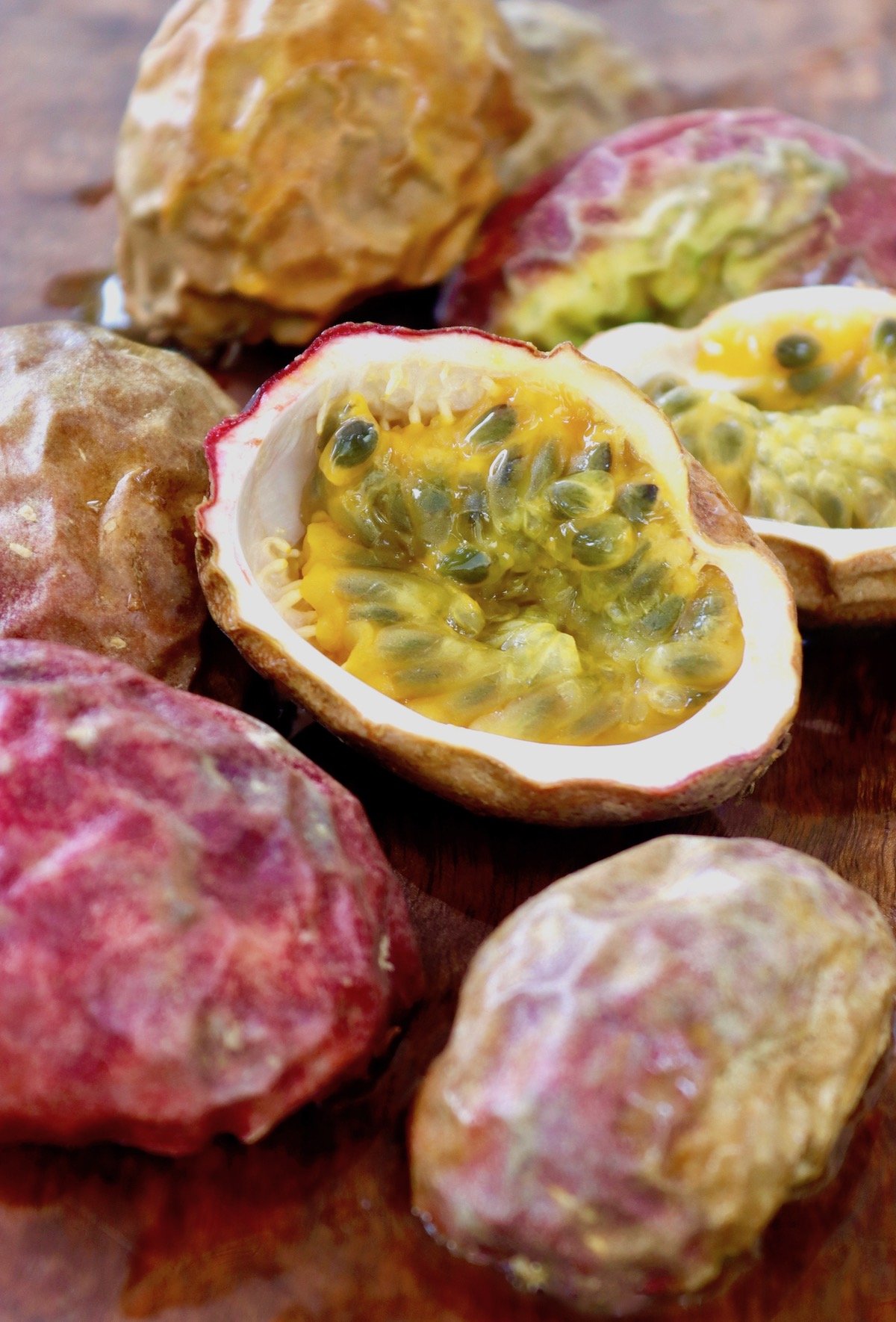
- To eat it on its own, you slice it in half, scoop out the pulp and seeds with a spoon, and eat them directly from the shell. (And there are many ways to use the juice which are detailed below.)
- It's very common to eat passion fruit seeds. In fact, passion fruit lovers just spoon the pulp with the seeds, directly from the skin into their mouth. The seeds have a delicate crunch, which is a delightful addition to most passion fruit recipes.
How to Tell if Passion Fruit is Ripe
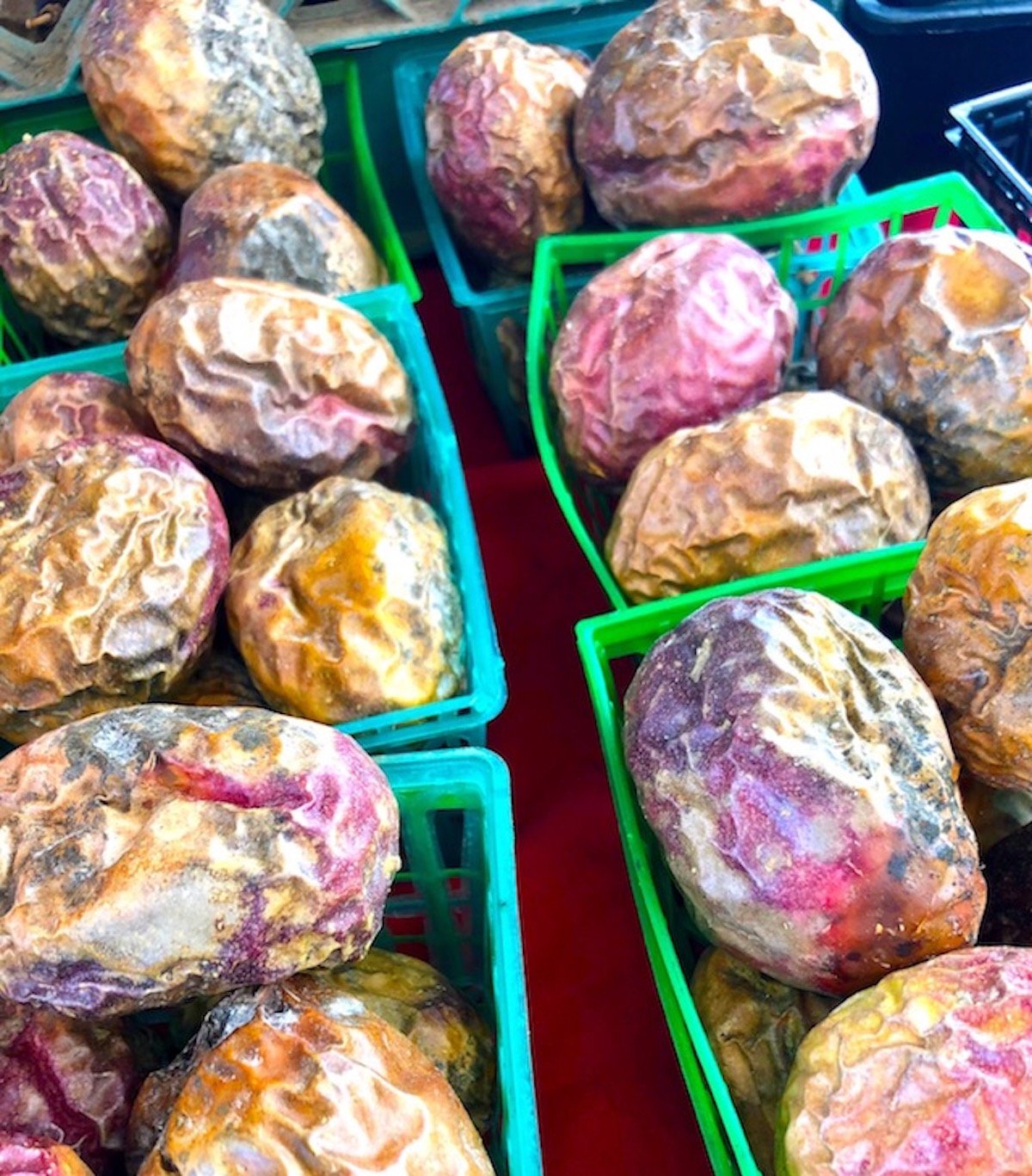
- This best indicator of a ripe passion fruit is wrinkled skin. Wrinkled skin is fantastic -- the more wrinkled, the better. They might even look bad, they're so wrinkled, but that's in fact, exactly how we want them.
- Storage. If the skin is smooth when you bring them home, let them ripen at room temperature. As with most fruits, they should not be refrigerated to ripen. Once they're ripe however, passion fruit can be stored in the refrigerator for up to a week or so.
- Wrinkled or not, choose passion fruits that feel a bit heavy for their size.
What do they taste like?
The flavor of passion fruit is the true taste and essence of the tropics. The pulp of a purple passion fruit is golden yellow and intensely aromatic -- the flavor ranges from sweet-tart to very tart.
How to Cut Passion Fruit
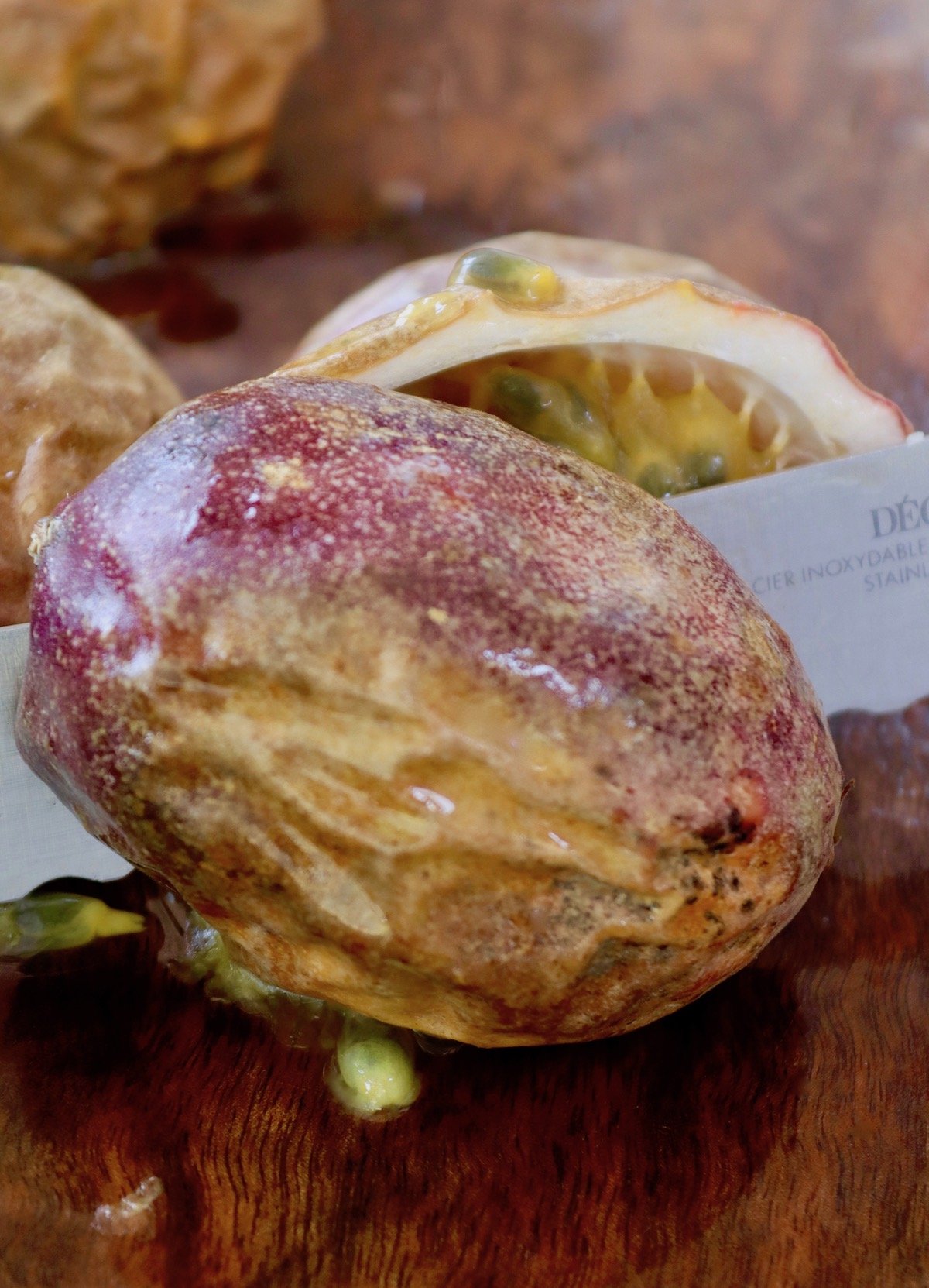
- Slice the passion fruits in half. I find this is easiest with a serrated knife.
How to Juice Them
- Use a small spoon to scoop the pulp from its skin.

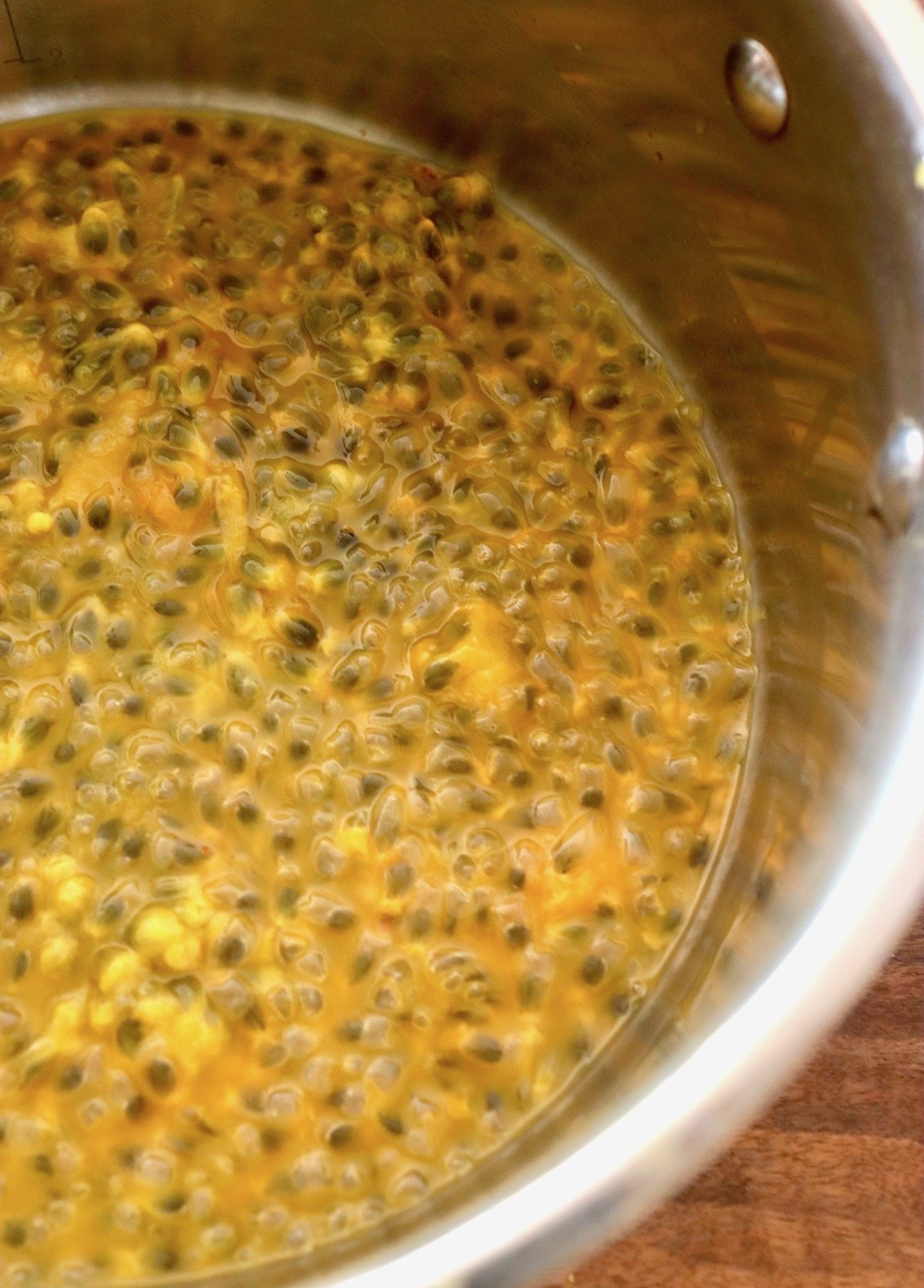
- Add it to a small pot and over low-medium heat, gently warm it to liquefy it a bit. Keep it over the heat for about 3 minutes. This will make it much easier to strain -- don't skip this step!
- Strain the warmed pulp through a fine mesh strainer to remove the seeds. Use the back of a spoon to press down on the pulp and seeds to be sure to get as much juice as possible.
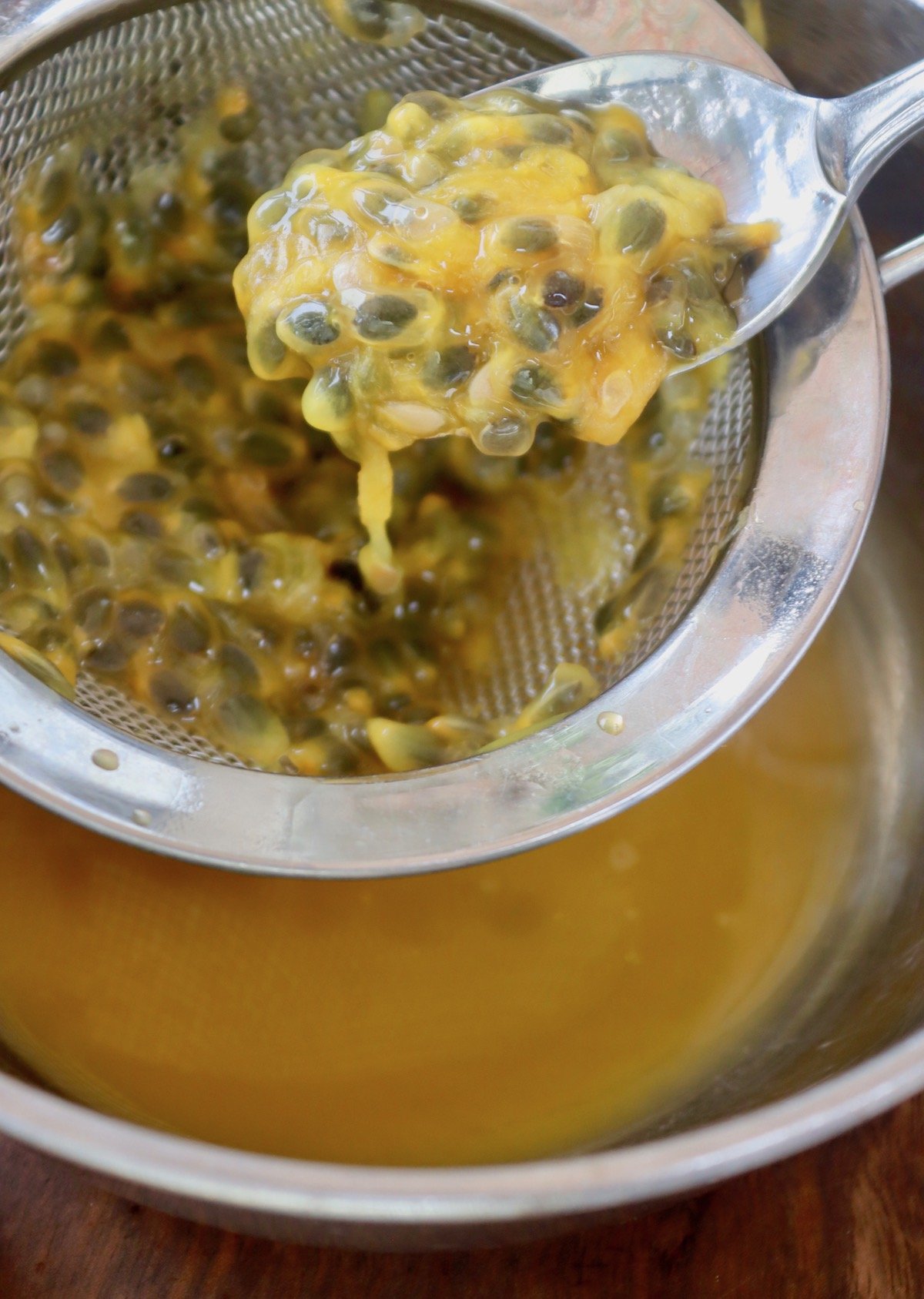
The juice is now ready for all sorts of recipes.
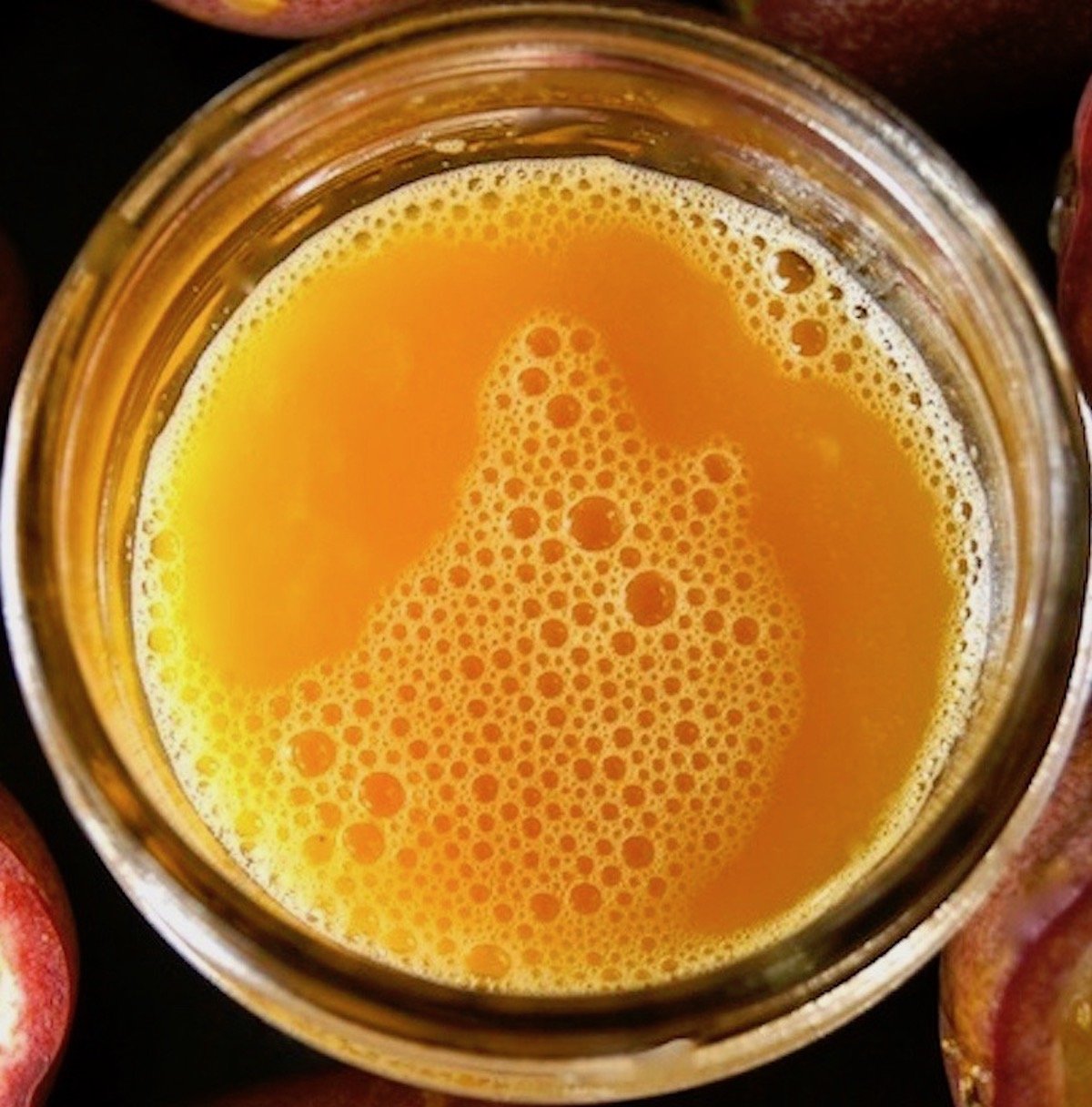
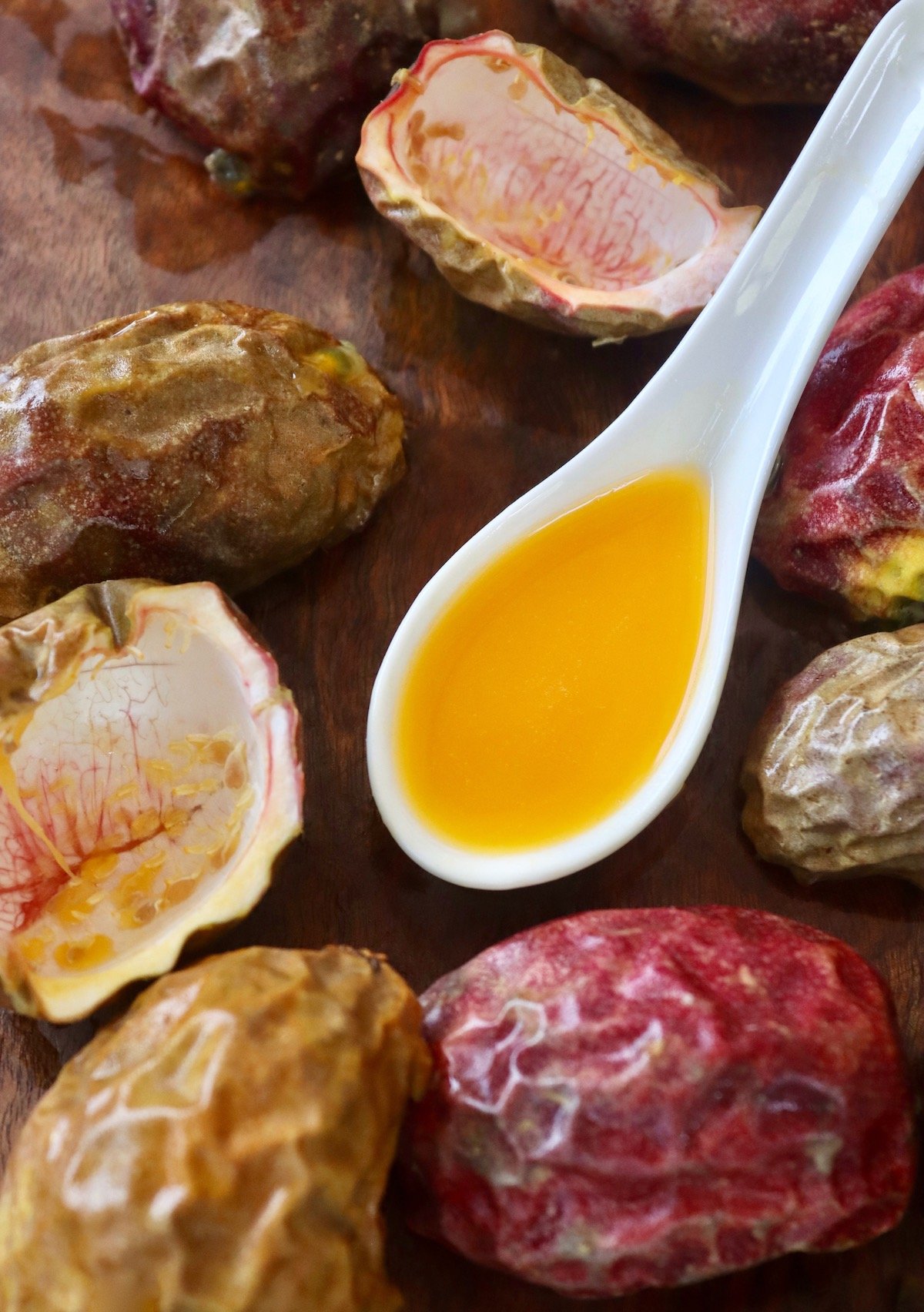
How much juice do they yield? There isn't one answer for this because no two passion fruit are alike. They can vary in size and even when they're close in size, the amount of pulp inside can vary. Below is an approximate guideline to follow:
- 1¼-pounds of ripe, fresh passion fruit yields about 1 cup of pulp (seeds included).
- If you strain the seeds out, there should be about ½ to ¾ cup of juice. (Since they vary in size, it's impossible to say exactly how many passion fruits this is, but it's likely around 10.)
How to Use Passion Fruit
There are so many possibilities when it comes to what to do with passion fruit. It's very common in Brazilian desserts, as well as all sorts of other recipes, both sweet and savory. Below are a handful of delicious ideas:
- Drizzle it over ice cream and yogurt.
- Stir it into hot or iced tea with a touch of honey.
- Make a tropical fruit smoothie.
- Add a few spoonfuls to Spicy Mango Salsa.
- Pour it over ice with sugar to taste.
- Make a Passion Fruit Cheesecake.
- Make Chocolate Passion Fruit Bars.
- Blend it into a Creamy Passion Fruit Mousse.
- Make passion fruit cocktails. (Try a Maracuya Sour or Passion Fruit Mojito.)
- Mix it into Vanilla Buttercream Frosting and layer a cake or frost cupcakes with it.
- It's delicious made into a passion fruit sauce and drizzled over fish or chicken.
- Turn it into a salad dressing. (With the seeds, which add a lovely crunch, mix it to taste with sugar, salt, black pepper, lime juice and extra virgin olive oil.)
Different names for Passion fruit. Depending on the region and language, passion fruit goes by several names: maracuyá (Spanish), grenadille (French), maracujá (Portuguese), lilikoi (Hawaiian), and chinola (Dominican Spanish).
Passion Fruit Season
Depending on their location, passion fruit can be found almost all year, though mainly mid-summer through winter. You'll likely find the best selection at your local Farmers' Market (and the best price, to boot.)
Passion Fruit Health Risks
Passion fruit is generally safe to eat, though people with a latex allergy should be cautious, as cross-reactions can occur. Very unripe passion fruit contains higher levels of naturally occurring cyanogenic compounds, so choose ripe fruit (with nice, wrinkled skin). For most people, it’s safe in moderation.
How they got their name. Passion fruit are named for the bloom of the spectacular passion fruit flower, not for the fruit itself. It's believed that Spanish missionaries thought parts of the flower resembled different religious symbols.
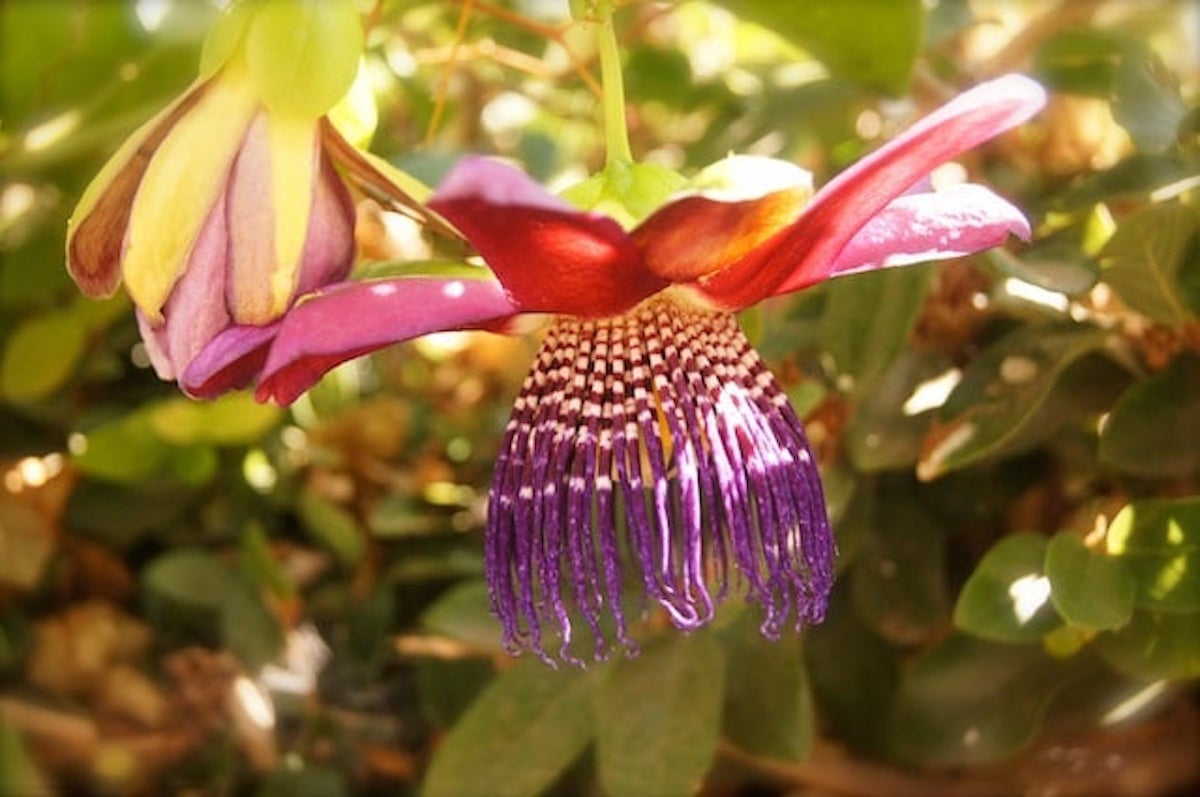
Where do they grow? Thought to be native to southern Brazil, passion fruit is now grown in Australia, California, Florida, New Zealand and Hawaii, and other parts of the tropics.
So... What to do with Passion Fruit
The simplest answer is to eat the pulp and seeds right out of the shell with a spoon. After that, juicing is my favorite, and the passion fruit juice recipe below takes 5 minutes with just passion fruits, water, and sugar to taste.

Passion Fruit Juice Recipe
Equipment
Ingredients
- 1 pound passion fruits OR ½ cup frozen passion fruit pulp
- 1 cup water
- sugar to taste
Instructions
- Slice the passion fruits in half.
- Use a small spoon to scoop the pulp from their skin and add it to a small pot over low-medium heat. Gently heat it to liquefy it a bit — keep it over the heat for about 3 minutes. This will make it much easier to strain.
- Strain the warmed pulp through a fine mesh strainer to remove the seeds. Use the back of a spoon to gently press down on the pulp to be sure to get as much juice as possible.*If you use frozen pulp, just warm it to liquefy. (Typically it comes without the seeds.)
- You should have about ½ of juice. Mix it with 1 cup of water and sugar to taste. Serve it over ice.
NOTES
NUTRITION
Cooking On The Weekends is a participant in the Amazon Services LLC Associates Program, an affiliate advertising program designed to provide a means for sites to earn advertising fees by advertising and linking to Amazon.com.



David Scott Allen
Thanks for the recipe shoutout! I just got back from Botswana where we had fresh passion fruit every day.
Valentina
I love your cocktail, David. Amazing that were in Botswana, and how dreamy to have a daily passion fruit. I look forward to reading about your travels. I got my most recent batch of passion fruit from a young girl selling them in her front hard. Her family grows them and it was a better deal than I ever would've gotten anywhere else -- and quite cute. I'd take a passion fruit stand over lemonade any day. Not that I wouldn't also support a lemonade stand. 😉 ~Valentina