
Mexican Black Beans from scratch are easy to make and great to have on hand for a delicious side dish, and for adding to all sorts of other recipes. A fine Mexican herb, epazote, makes this recipe extra special.
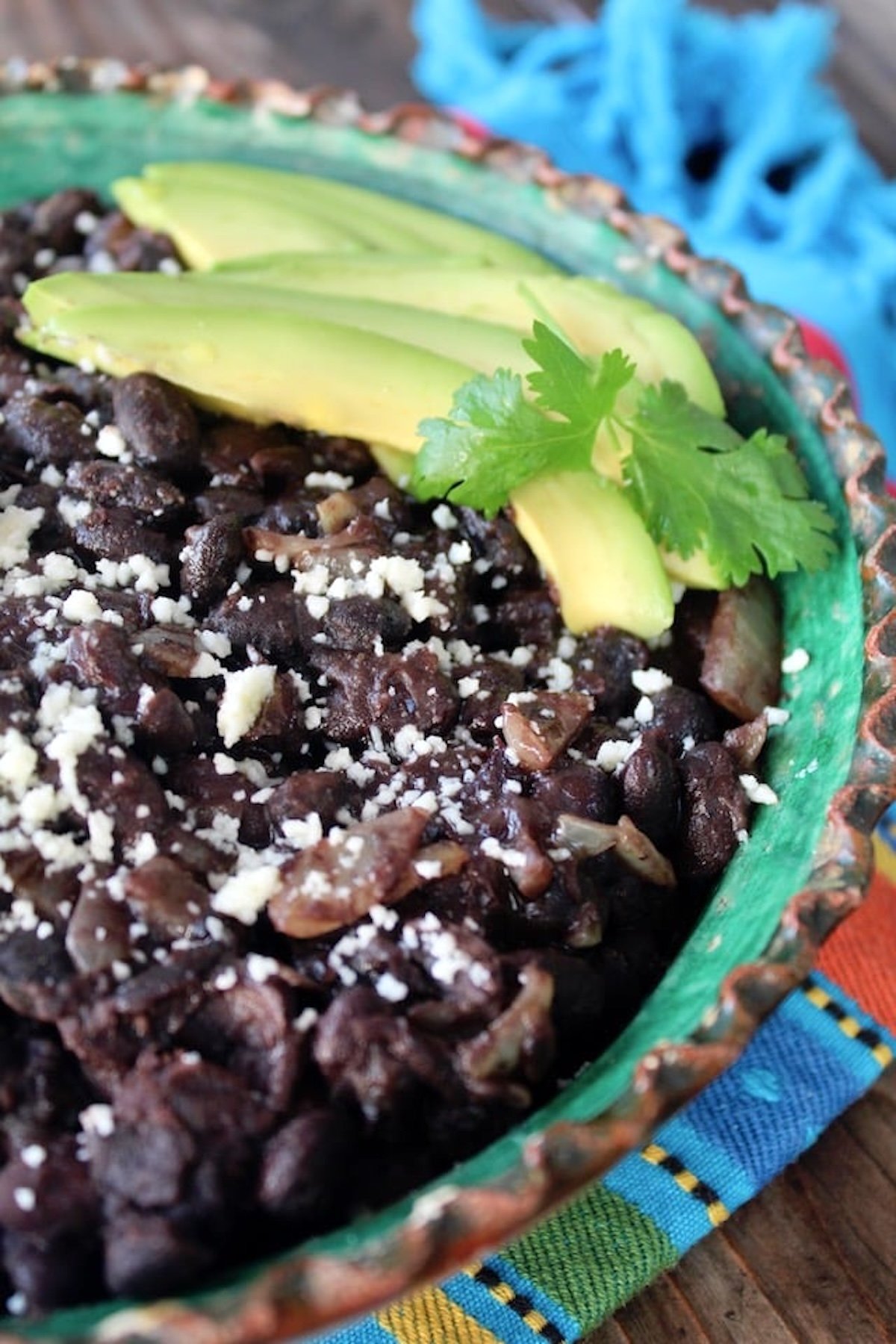
I am so grateful to my Oaxacan friend, Ana, who taught me how to make these Mexican Black Beans from scratch.
One day she brought me a bundle of fresh epazote and told me how it was used in Oaxaca to cook black beans. Super excited, as this herb was new to me, I almost immediately made the beans.
And I’ve been making her Mexican black beans recipe ever since.
Ingredient Notes
About dried black beans - Making Mexican black beans from scratch, of course, involves starting with dried beans. Compared to canned beans, dried beans are typically less expensive, have a superior flavor, and allow you to control the amount of sodium and other additives. And when you start with dried beans, you also have better control over the final texture and flavor.
What is Epazote?
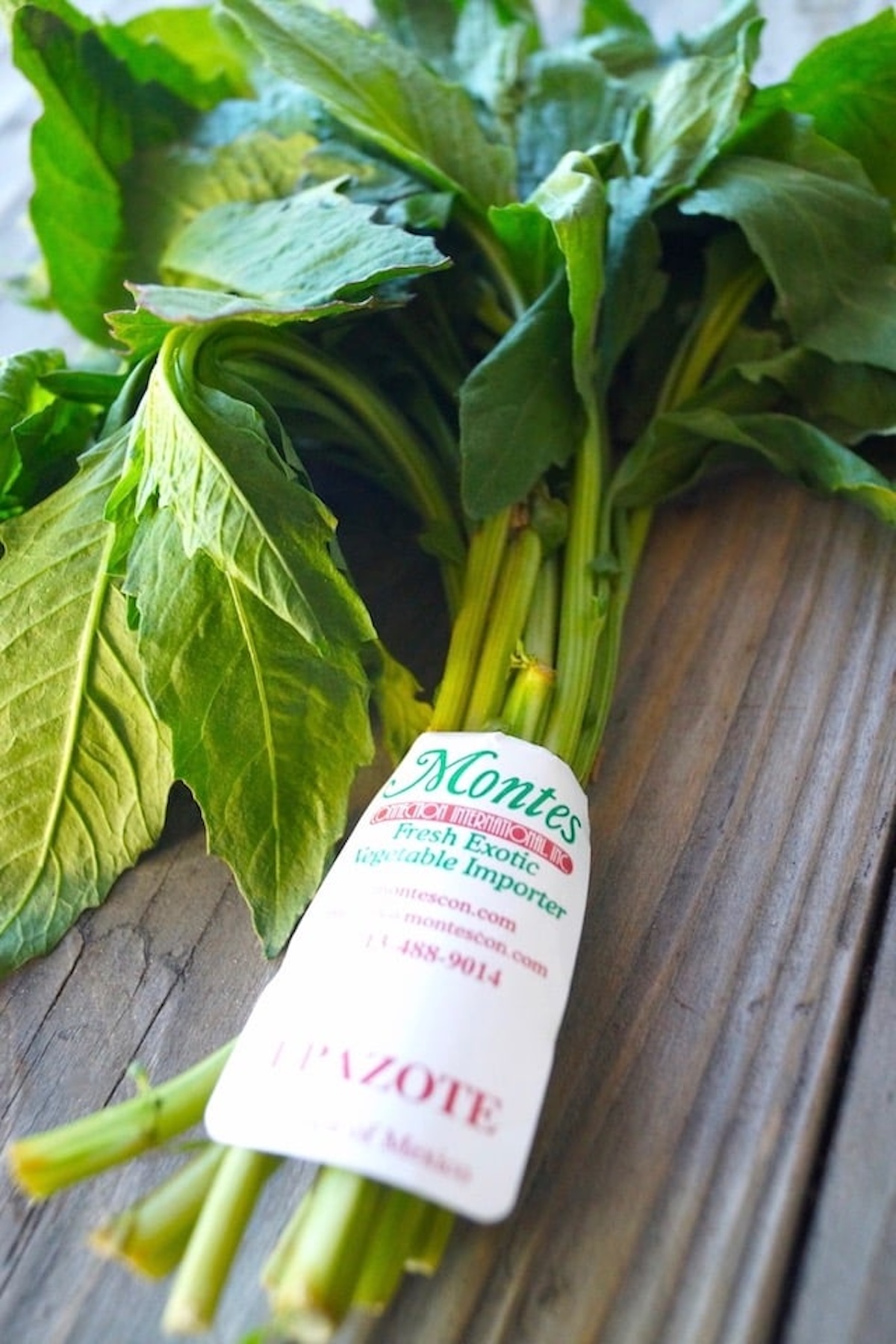
- Epazote is an aromatic, leafy herb that’s native to Central America.
- It’s been grown for its culinary and medicinal uses for thousands of years.
- Though it’s most flavorful when fresh, epazote can also be used dried.
- Epazote can be used in a variety of dishes including quesadillas, soups, stews, enchiladas, and of course today’s Mexican Black Beans.
- In parts of Mexico, epazote is as common as Rosemary is in the United States — in the way that it’s very likely growing in your neighbor’s yard.
- Epazote is added to black bean recipes because, along with soaking the beans, it reduces bloating and other digestive issues associated with eating beans.
- Don’t be fooled by the pungent, petroleum-like smell of the herb — the leaves taste like a blend of citrus, pine, oregano, anise, and mustard greens.
- Where to Buy epazote. You can find it in most Latin food markets in the United States.
How to Make Them
This is a two part recipe: First, soaking and cooking the beans in a large batch, and second, making the Mexican Black Bean Recipe with 8 cups of the cooked beans.
- Soak the beans overnight.
- The next day, drain the beans, add them to a large stockpot, and fill it with enough cold water to go a couple inches above the beans.
- Simmer the beans for about 20 minutes and remove any foam that has appeared on the surface during this time.
- Drain the beans and return them to the pot. Add onion, garlic, epazote, and again, add enough water to go a couple of inches above the beans.
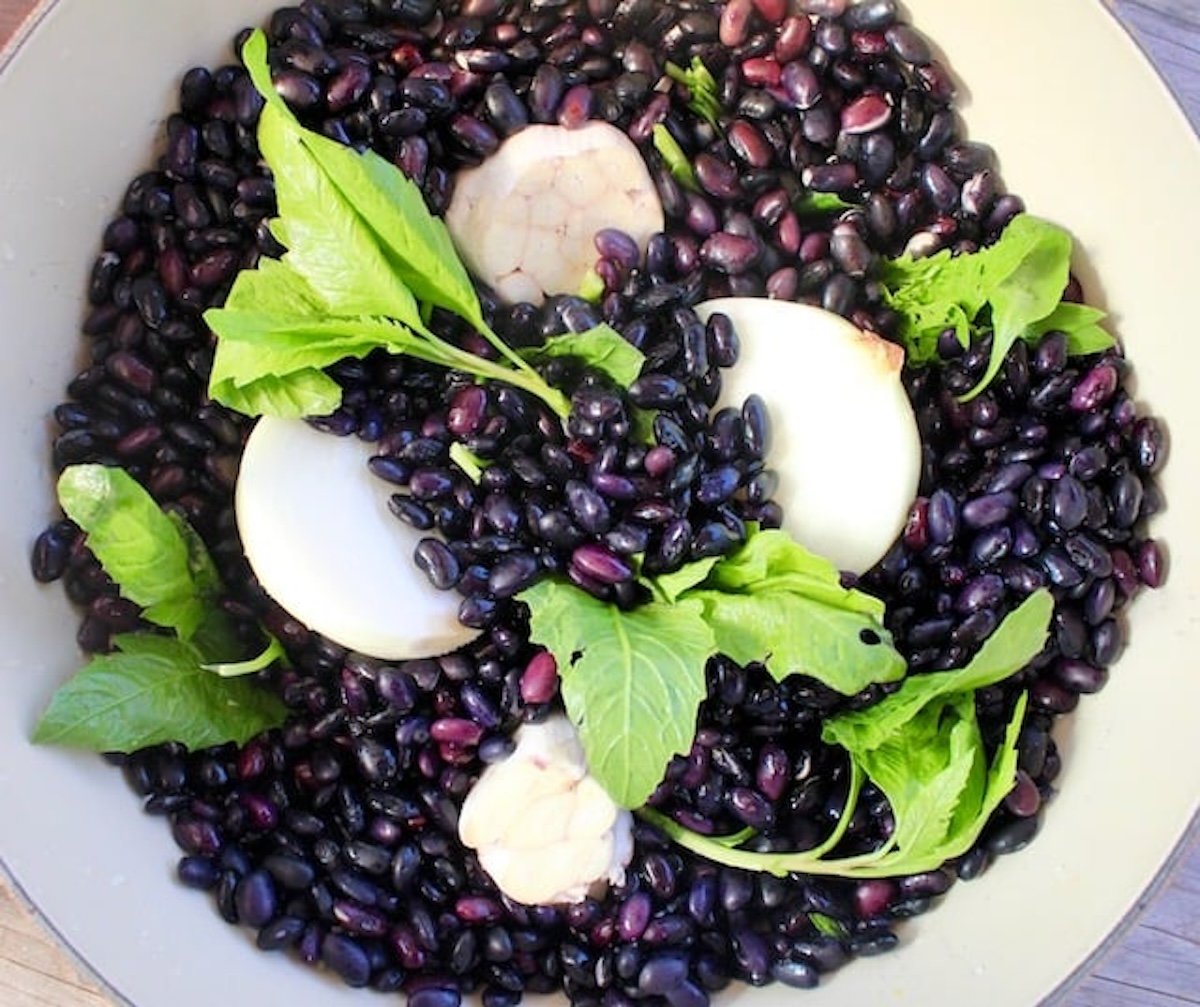
- Turn the heat to high and bring to a boil. Reduce the heat to low, and simmer until the beans are tender, about 1½ hours.
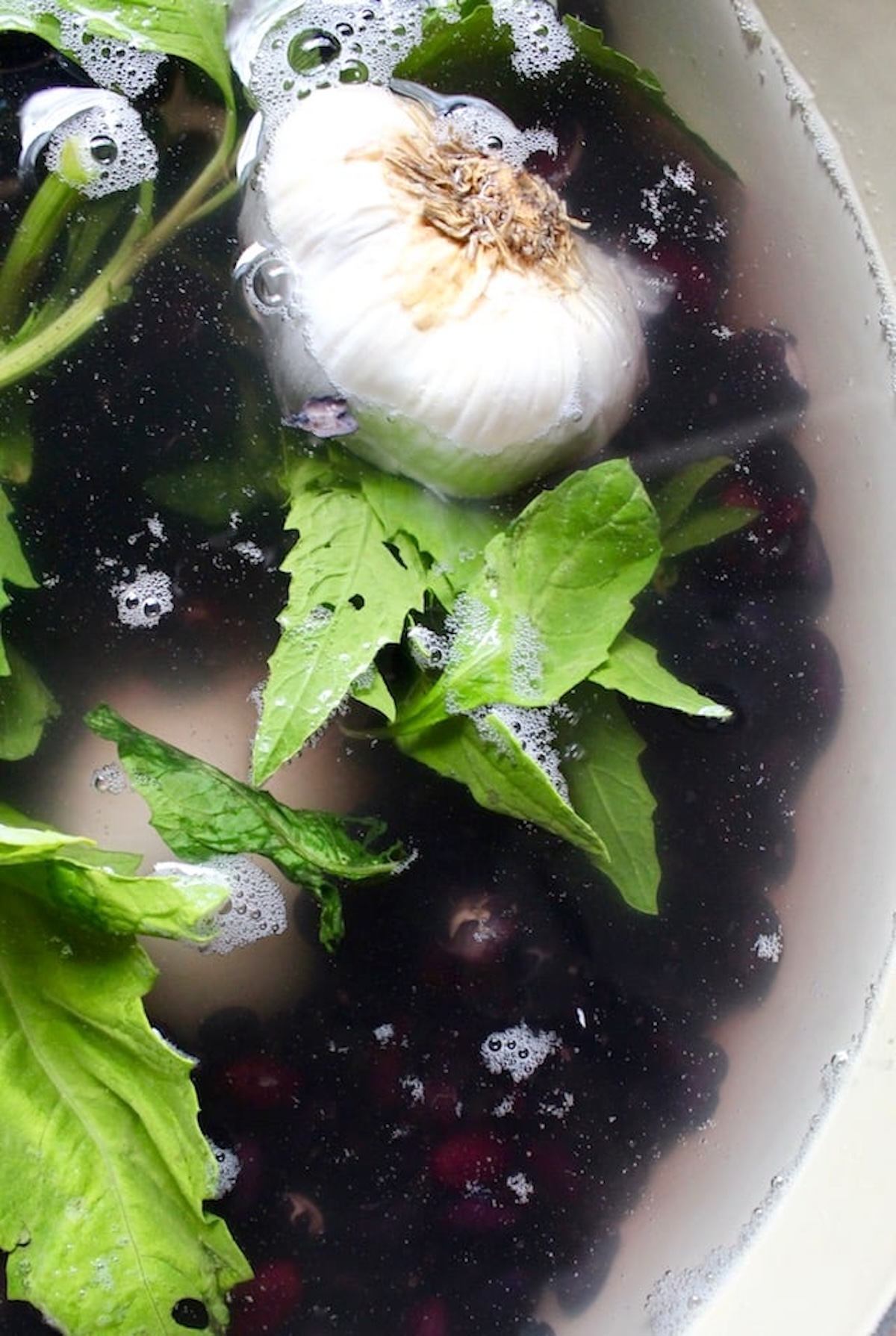
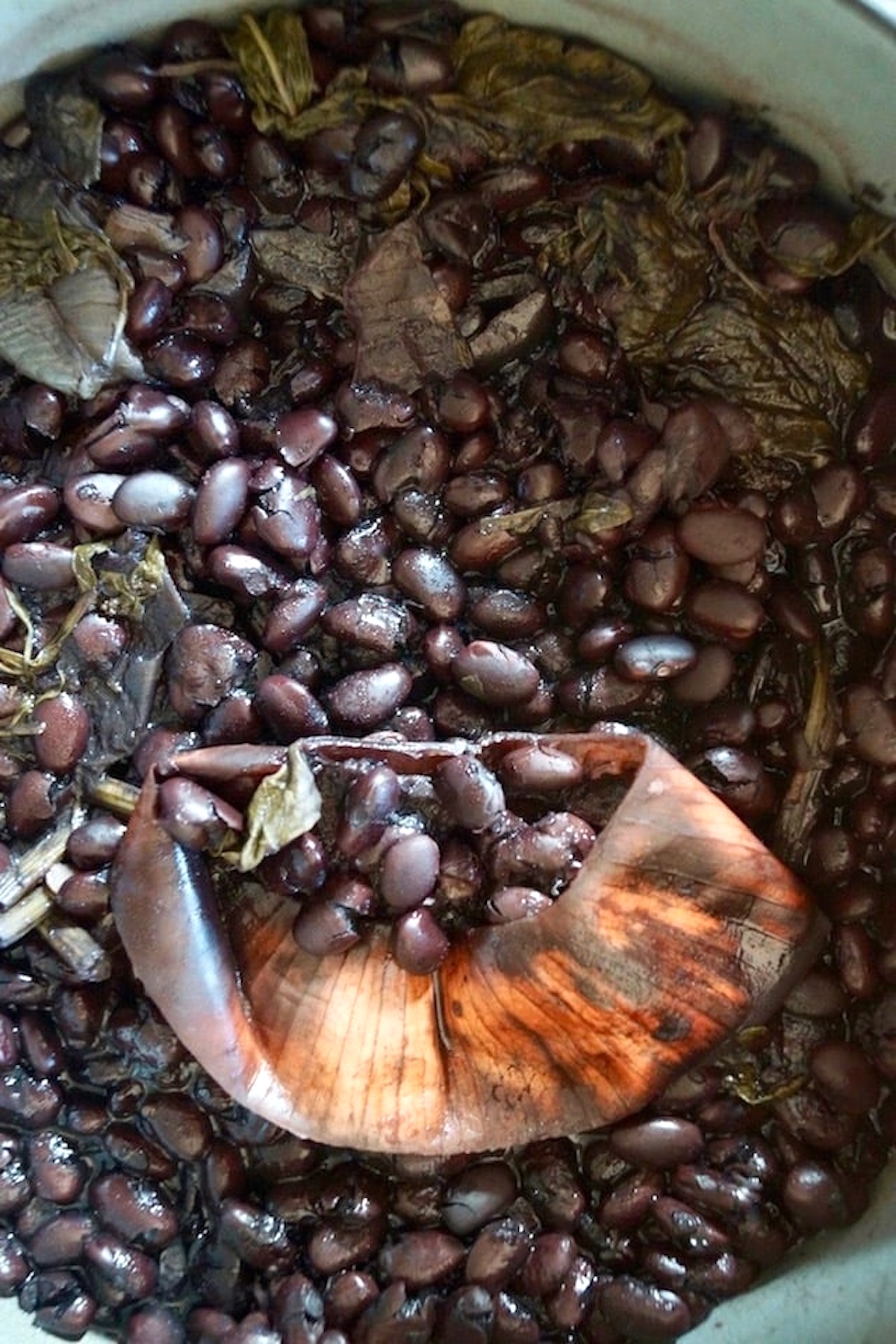
- Remove the epazote, the larger chunks of onion and skins. Remove the garlic, and once it’s cool enough to handle, squeeze the soft cloves out onto a cutting board, roughly chop them, and mix them into the beans.
- Coat a sauté pan with oil, add chopped onion and cook until soft. Add the cooked beans and ground cumin, and sauté for about 5 minutes. Season to taste with salt and pepper.
(More detailed instructions are in the recipe card below.)
Recipe Tips
- I suggest making a very large batch of the beans. While they're easy to make, they take time to soak, and they're excellent to have on hand, as they can be added to so many different meals and recipes.
- I usually soak and cook the beans in very large batches. This is part one of the recipe. Then, I make the Mexican Black Bean recipe about 4 cups at a time, which is about 8 servings as a side dish. This is part two of the recipe. It feels fresher this way. (You'll see below that you can store them in the refrigerator or freezer ahead of time -- you can do this whether or not you've done part two yet.)
- The beans expand a lot, so be sure when choosing a bowl or pot to soak them in, it's large enough to accommodate them.
- If the beans are not as soft a texture as you'd like at the end of the cooking time, keep simmering them, and you can add water as needed. (If there's still excess water that hasn't been absorbed when they're ready, drain them.)
- I do one thing differently from how this method of cooking the beans was explained to me. After soaking and cooking them (part one), I squeeze the garlic cloves from the head back into the beans. I remove the onion because all of the flavor has been extracted from it -- but, I think the garlic still has more flavor to offer. If you love garlic, do it. And if you don't, skip it.
- You can make part two of this recipe without making part one, if you want to use canned black beans. If you choose to do this, drain the beans first. The beans will still be delicious, but are better when made from scratch. In my humble opinion. 😉
Variations
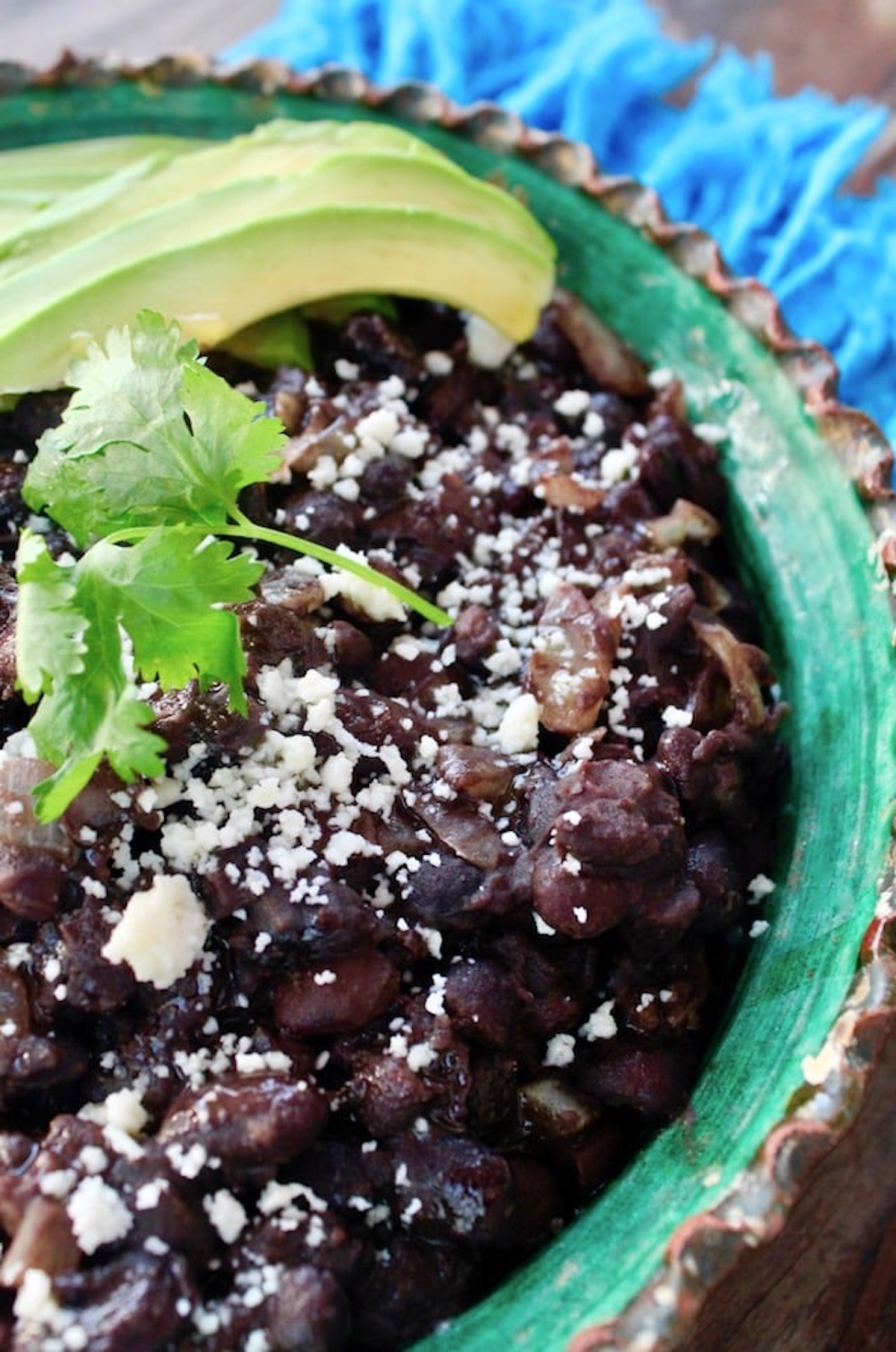
Spicy version. When you're making the final part of the recipe, cooking the beans with the onions, add chipotle powder, cayenne pepper, or red pepper flakes to taste.
Uses for Mexican Black Beans
The super flavorful beans make for a great side dish with meats, fish, chicken, and vegetarian dishes. And they're perfect for so many recipes including (but not limited to!) a burrito bowl (with chicken, steak, tomatoes, and guacamole), burritos, tacos, salads, casseroles, chilis, stews, soups and quesadillas.
Making Them Ahead and Storing Them
You can make Mexican Black Beans ahead -- and you should, so they're at the ready when you want them. Whether you make them ahead, or have leftovers, they're easy to store.
Refrigerator. The beans can be refrigerated for up to 5 days in an airtight container.
Freezer. You can freeze them in an airtight container for up to a month. They're best when frozen in small batches. To thaw, place them in the refrigerator a day or two before you want to use them.
Recipes Using Black Beans
I hope you love this Mexican Black Beans recipe as much as we do!
Mexican Black Beans From Scratch
Equipment
Ingredients
Part One
- 2 pounds dry black beans
- 1 whole (medium-sized) yellow onion, washed and cut in half
- 1 large head of garlic, washed, about ½ inch cut off top (use two heads if they're small)
- 1 bunch epazote, washed
- water (amounts will vary, depending on the size of the pot)
Part Two
- about 3 tablespoons olive oil
- 4 cups finely chopped yellow onion
- about 8 cups cooked black beans (see Part One, above)
- 1½ tablespoons ground cumin
- salt and pepper to taste
- avocado slices, cotija cheese and cilantro for garnish (if desired)
Instructions
Part One
- Soak the beans. In a very large mixing pot, soak the beans in about three times their volume of lukewarm water, for about 12 hours. Drain the beans, add them to a large stockpot, and fill the pot with enough cold water to go a couple inches above the beans.
- Simmer the beans. Turn the heat to high and bring to a boil. Then reduce the heat to low, and simmer the beans for about 20 minutes. Use a large metal spoon to remove any foam that has appeared on the surface during this time. Drain the beans and return them to the pot. Again, add enough water to go a couple of inches above the beans.
- Add the remaining ingredients and cook the beans. Add the onion, garlic and epazote. Turn the heat to high and bring to a boil. Then reduce the heat to low, and gently simmer until the beans are tender, at least 1½-2 hours. (Drain if necessary.) Remove epazote, the larger chunks of onion and skins (the halves will have separated during the cooking). Then remove the head (or heads) of garlic. Once the garlic is cool enough to handle, squeeze the soft cloves out onto a cutting board, roughly chop it, and mix it into the beans.
- Cool. Cool the beans to room temperature, or move on to Part Two (below). Once cooled, the soaked, cooked beans can be stored. (Refrigerator: The beans can be refrigerated for up to 5 days in a tightly sealed container. Freezer: You can freeze them in a tightly sealed container for up to a month. They're best when frozen in small batches. To thaw, place them in the refrigerator two days before you want to use them.)
Part Two (You should do this part in two batches.)
- Cook the onions. Coat the bottom of a large sauté pan with the oil, add the onion and place of low-medium heat. Stirring occasionally, cook until the onions are soft, about 7 minutes.
- Add the beans and spices. Add the beans and cumin and sauté for about 5 minutes. Season to taste with salt and pepper and serve with crumbled Cotija, avocado slices, a squeeze of lime juice, and/or cilantro if desired. (Here's How to Season to Taste.)
NOTES
- If the beans are not as soft as you'd like at the end of the cooking time, keep simmering them, and you can add water as needed. (If there's still excess water that hasn't been absorbed when they're ready, drain them.)
NUTRITION
Cooking On The Weekends is a participant in the Amazon Services LLC Associates Program, an affiliate advertising program designed to provide a means for sites to earn advertising fees by advertising and linking to Amazon.com.



Jamie Grisham
Is the chopped onion the same onion that was with the beans when boiled or a fresh onion? Thanks!
Valentina
Hi Jamie, No, it's a fresh onion. (The garlic though, is the same garlic the beans were cooked with.) Thanks for writing in and I hope you love it! 🙂 ~Valentina
Bente Hewitt
New to making black beans and made your recipe yesterday. After cooking the beans and before going on to the second part, do you drain the beans.
Is it better to have a large deep pot when cooking a large amount. There was so much liquid left in my pot, but I used a large wide, not so deep pot.
The beans were also a bit dry, but tasted fantastic.
Wanting to perfect the recipe next time.
Thank you
Bente
valentina
Hi Bente,
My apologies for the late reply. (I've been on holiday for the paste 10 days. 🙂 )
Yes, you drain the beans after soaking them if there's excess water. A large deep pot is great. As for the dryness, you can cook them longer if necessary -- until the desired texture. (I will add that to the recipe notes -- thank you.)
Thanks for writing in and I hope this helps! 🙂 Valentina
Alison Barbee
Is there a substitute for epazote? I have called every Spanish market in Denver and no one seems to have it 🤷🏼♀️ Maybe they call it something different?
valentina
Hi Alison, Thanks for writing in. I'm happy your asked this question. Here's a list of a handful of possible alternatives. (None will be exactly the same in that they don't have the additional benefit of reducing bloating and other digestive issues associated with eating beans.) I hope this helps and that you love the beans! 🙂 ~Valentina